 What's On HK

 Eat & Drink
 Travel

 Style
Style


 Beauty
 Health & Wellness

 Home & Decor
 Lifestyle

 Weddings

Like many subcultural art forms, alternative dance is known to be a haven for queer self-expression and community — but can it also serve as a form of resistance?
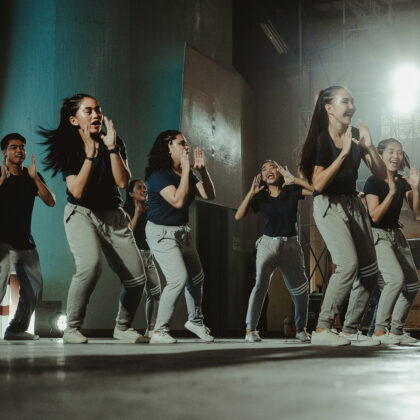
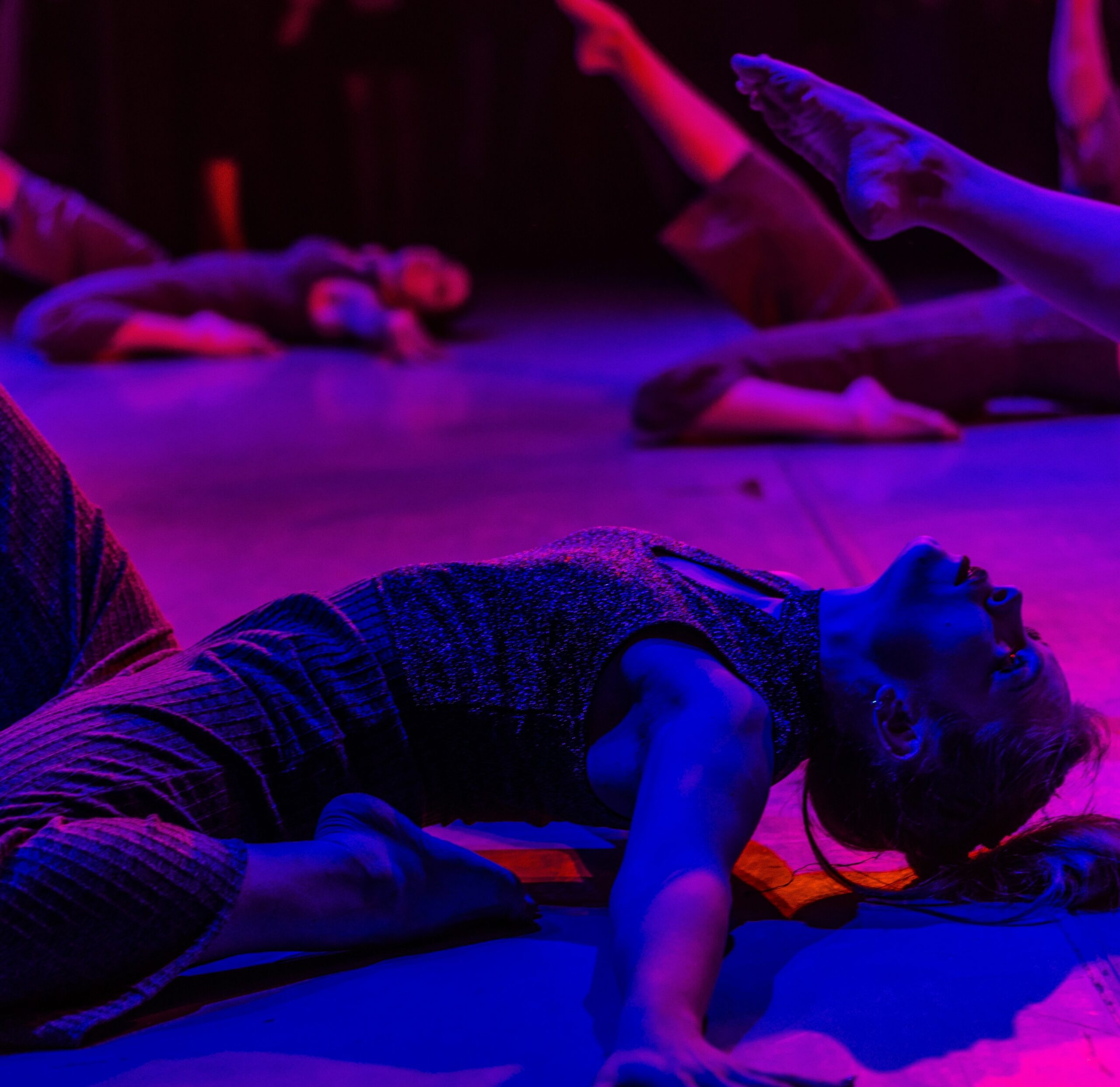
At the cross-section between Hong Kong’s traditionalism and modern culture, an electrifying subculture is bubbling beneath the surface, defying norms, reclaiming narratives and holding space for radical self-expression. Welcome to Hong Kong’s alternative dance scene, which strays from traditional forms like ballet and hip hop with its sensual and gravity-defying movements. But don’t be fooled, it’s not just about aesthetics. Here, bodies also serve as vehicles for storytelling, painting pictures of defiance, identity and empowerment — especially in marginalised circles like the queer community, where dance spaces transcend traditional functions of studios and clubs and become sanctuaries for authenticity.
Nevertheless, beneath the glitz, glamour and sweat, there lies a deeper discourse: one of cultural legacy, appropriation and the responsibility to honour the roots that ground these art forms. Through the voices of two local dancers — a prominent twerk teacher, King King Kwong, and a pole dance instructor who wishes to remain anonymous — we unravel how these dances dismantle shame, forge solidarity and demand accountability in a city still bound by conservative undercurrents.
Read More: Inside Hong Kong’s Underground Roller Skating & Derby Scene
Reclaiming Power Through Dance
Dance, at its core, is a physical language — a way to communicate where words fall short. For many in the alternative dance scene, the art form thus serves as a medium to explore and express complex aspects of identity, confidence and belonging. King King Kwong, an international twerk instructor and concert performer, sees his art as a powerful tool for both personal and communal expression.
View this post on Instagram
“Twerk celebrates the human body, but people often misunderstand it as purely sexual,” he explains. “They miss the beauty, the technical complexity and what the movement can mean. It’s about expressing passion, connecting with others and inspiring confidence. As a twerker, my goal is to inspire not entice, demonstrating the right combination of passion and movement.” For Kwong, this expression is amplified within the LGBTQ+ community, as queer spaces and dance spaces share a common ethos: celebrating individuality while fostering inclusion. “Both the queer scene and the dance scene revolve around acceptance and celebration of diversity and uniqueness. In my mind this is the essence of both scenes — and both are positive.”
The pole dance instructor we spoke to echoed this, describing how the art has helped both her and her students confront societal stigmas surrounding the body and femininity. “If you struggle with body image, the dance world can be quite triggering — especially in Hong Kong, and even more so within traditional dance spaces. Thinness is a prevailing archetype in ballet, for instance, and many local instructors have an old-fashioned perception of what makes a ‘good’ dancer. Attending ballet classes growing up, my body was constantly ridiculed and judged, which later made me turn to disordered eating. It was only after becoming a part of the alternative dance community — spaces in which diverse body types are represented and celebrated — that I was able to unlearn many of those sentiments.”
Read More: Pole Dancing Dreams Come True At Hong Kong’s Best Studios
A Shared Safe Space For Queer People
As Kwong shares, both queer spaces and dance communities offer room for people to show up authentically; to safely experiment with gender and sexuality by, say, disappearing into a ‘character’ or performer, as is often the case in dance. Kwong himself has been instrumental in fostering this connection, organising workshops and events that bring Hong Kongers together and explore their identity. One memorable event was a poolside twerking battle, which he describes as particularly impactful.
“Twerking remains a niche dance style in Hong Kong, with a relatively small but passionate community. The limited number of instructors highlights its specialised nature. To boost its visibility, I’ve been actively hosting regular workshops to engage and inspire dancers, such as a dance battle by the poolside a few years ago. This was especially meaningful as it brought together dedicated dancers and strengthen our sense of community.”
View this post on Instagram
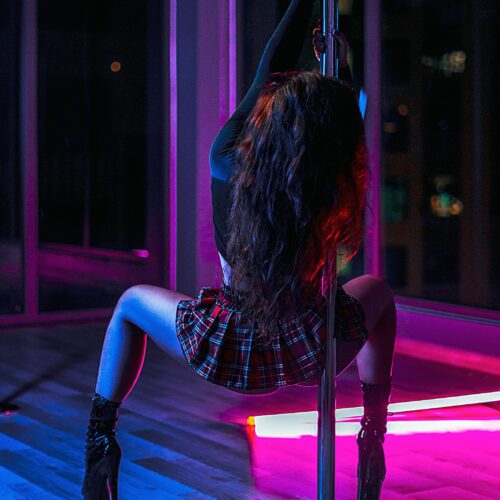
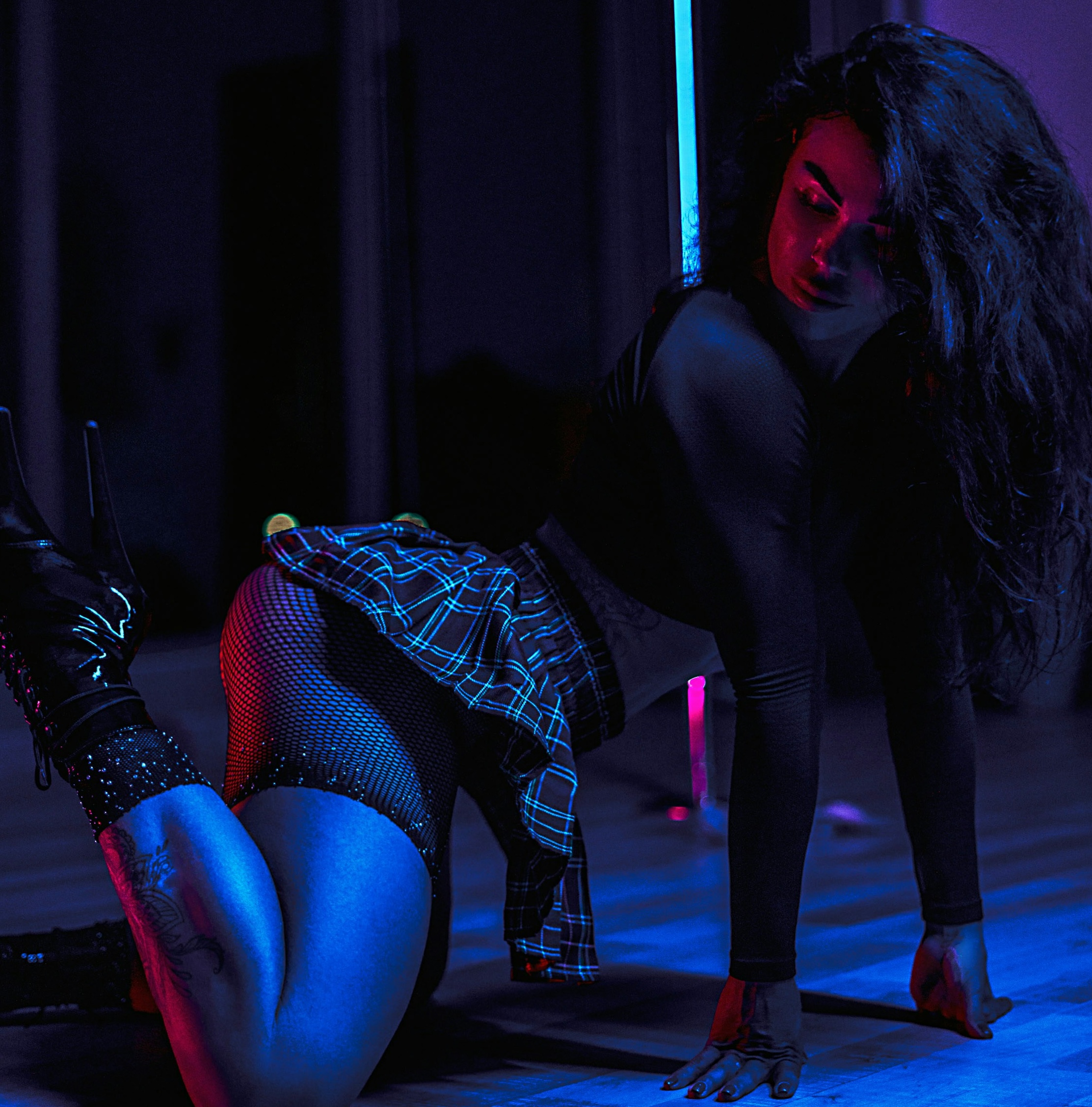
Pole dancing, too, has become safe space for queer and marginalised bodies in Hong Kong. “Some of us have a lifetime’s experience worth of being told our bodies are ‘wrong’,” the instructor divulges, “but you can feel that energy lift after a few minutes on the pole. It’s hard to describe the feeling of watching yourself contort and move in ways that are objectively beautiful — you begin to appreciate curves and shapes that don’t necessarily fit Hong Kong beauty standards. You start to see yourself as art, to view your body as a vehicle for that creation, and you can carry that self-acceptance outside the studio.”
Read More: The Best LGBTQ+ Bars & Clubs In Hong Kong — Where To Celebrate Pride Month

Walking The Tightrope Of Cultural Legacy
While alternative dance offers liberation and empowerment, it also raises critical questions about cultural appropriation and the erasure of marginalised histories. After all, with empowerment comes responsibility. Twerking, for example, is rooted in African and Caribbean traditions, where it has long been a form of cultural expression. As the dance style gains global popularity and mainstream adoption, its cultural significance can be whitewashed and stripped away, leaving behind a commodified version of the art form. As Kwong says, there are already few instructors in Hong Kong; more work needs to be done to highlight black and brown representation in these spaces.
In the pole dance community, similar issues arise. The instructor points out that pole dancing’s modern popularity owes its legacy to sex workers, who pioneered and popularised the art form — all while being legally, socially and culturally penalised. Yet, some dancers and studios in Hong Kong attempt to distance themselves from this connection, refusing to hire or associate with those who are engaged in sex work. When pressed for details, the instructor was hesitant to call out particular studios, noting that social judgement towards sexual liberty is widespread, and not limited to within the dance world.
View this post on Instagram
“Fearing social backlash or slut-shaming, you can see the pole dance community adopt this defensive narrative of, ‘We’re not like them,’ which can be really problematic,” she explains. “It is so privileged to erase those who spearheaded this art form, especially considering so many continue to operate under dangerous or oppressive conditions. That risk is incomparable to the experience of dancing in a studio, so if you’re a part of the pole community — especially if you’re [making money as] an instructor — you have to recognise the space you’re taking up. It’s not enough to acknowledge that sex work and pole dance share a history — you should also be advocating for sex workers and standing in solidarity with them.”
As seen from the community building and personal advocacy that Kwong and the pole instructor take part in, one doesn’t need to become a political champion in order to to support these marginalised groups (although there are plenty of charities and nonprofits though which to volunteer!). In many cases, the first step is taking the time to have difficult conversations within your own community, shifting the conditioned prejudices that exist within us all.
Read More: The Best LGBTQ+ Bars & Clubs In Hong Kong — Where To Celebrate Pride Month
An Unchoreographed Future
As Hong Kong’s alternative dance scene surges forward, its members envision growth steeped in integrity. Kwong is amplifying visibility through viral content, workshops and even launching a fashion brand that sells twerk shorts. He hopes that, in doing so, alternative dance styles like twerking are more widely recognised, not just as a niche subculture but as a celebrated part of Hong Kong’s creative landscape. “I’m determined to boost and spotlight the incredible talent in our dance community,” he says.
For the pole instructor, the future lies in fostering deeper inclusivity and cultural understanding. “We need to dance with intention,” she explains. “That starts with educating ourselves about the history of the styles we practice, and boils down to ensuring that sure we’re creating spaces that are truly inclusive — not only for queer people and femmes, but for those who continue to marginalised even within those commercialised ‘safe spaces.’ Otherwise, we’re walking through doors and shutting them behind us.”
Read More: Queer-Owned Local Brands To Support This Pride Month
Featured image courtesy of Timur Garifov via Unsplash, image 2 courtesy of Vadim Fomenok via Unsplash, image 3 courtesy of Marc Wachter via Unsplash, image image 4 courtesy of Timur Garifov via Unsplash.